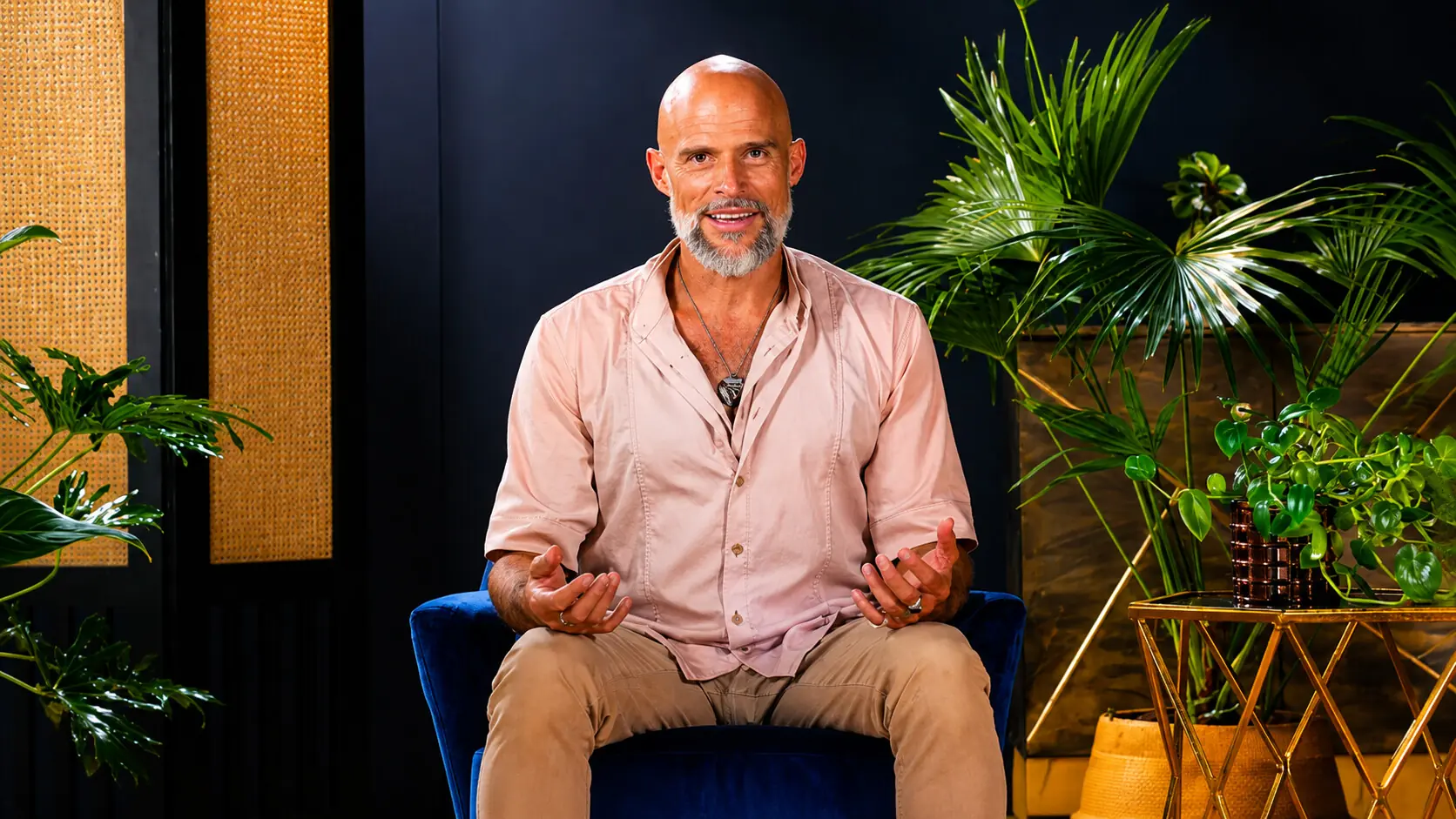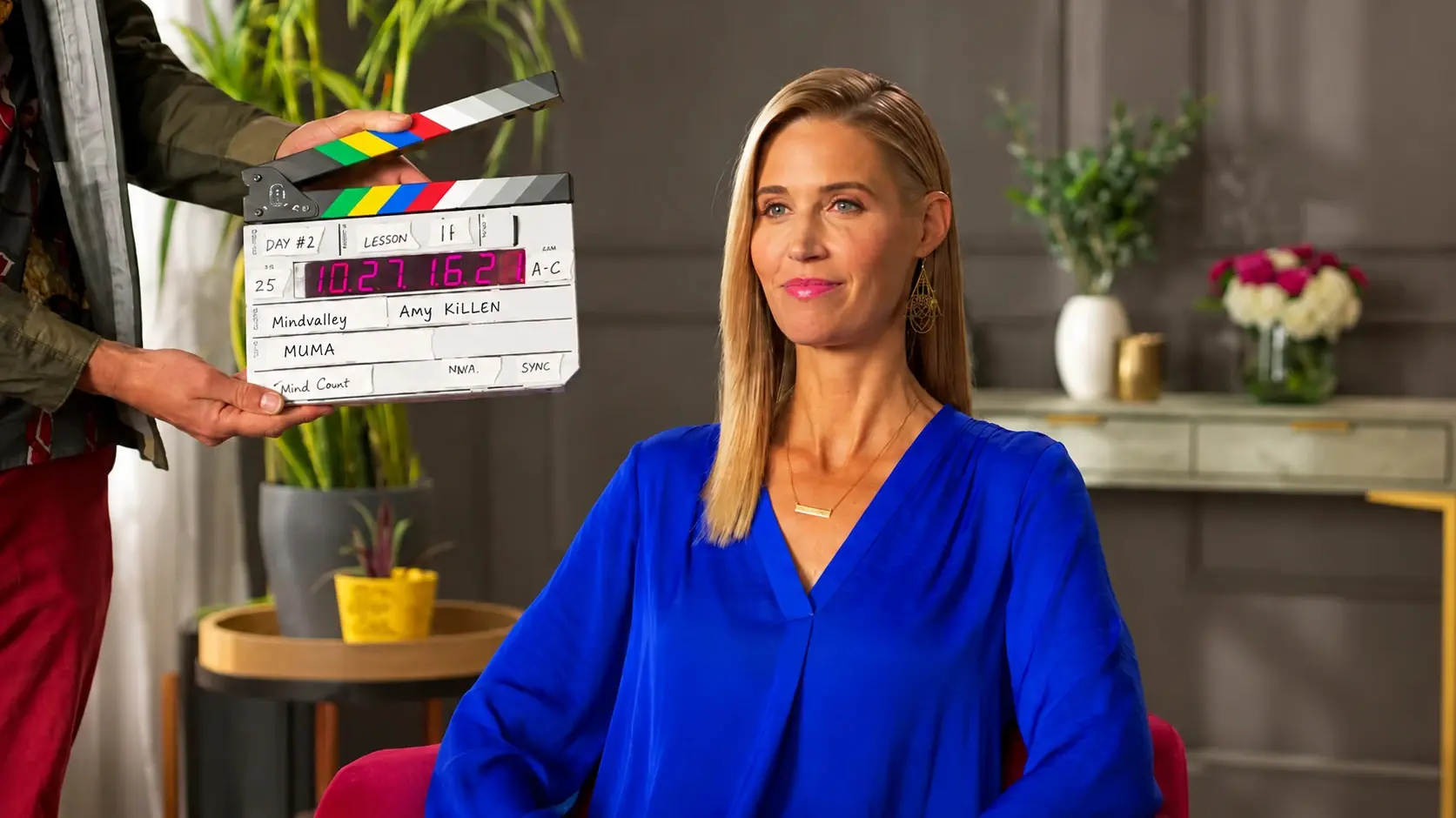
A clapperboard snaps in front of a speaker on a styled Quest set

Set Design

Filmed environments for Mindvalley Quests

Art direction • Set design • Styling

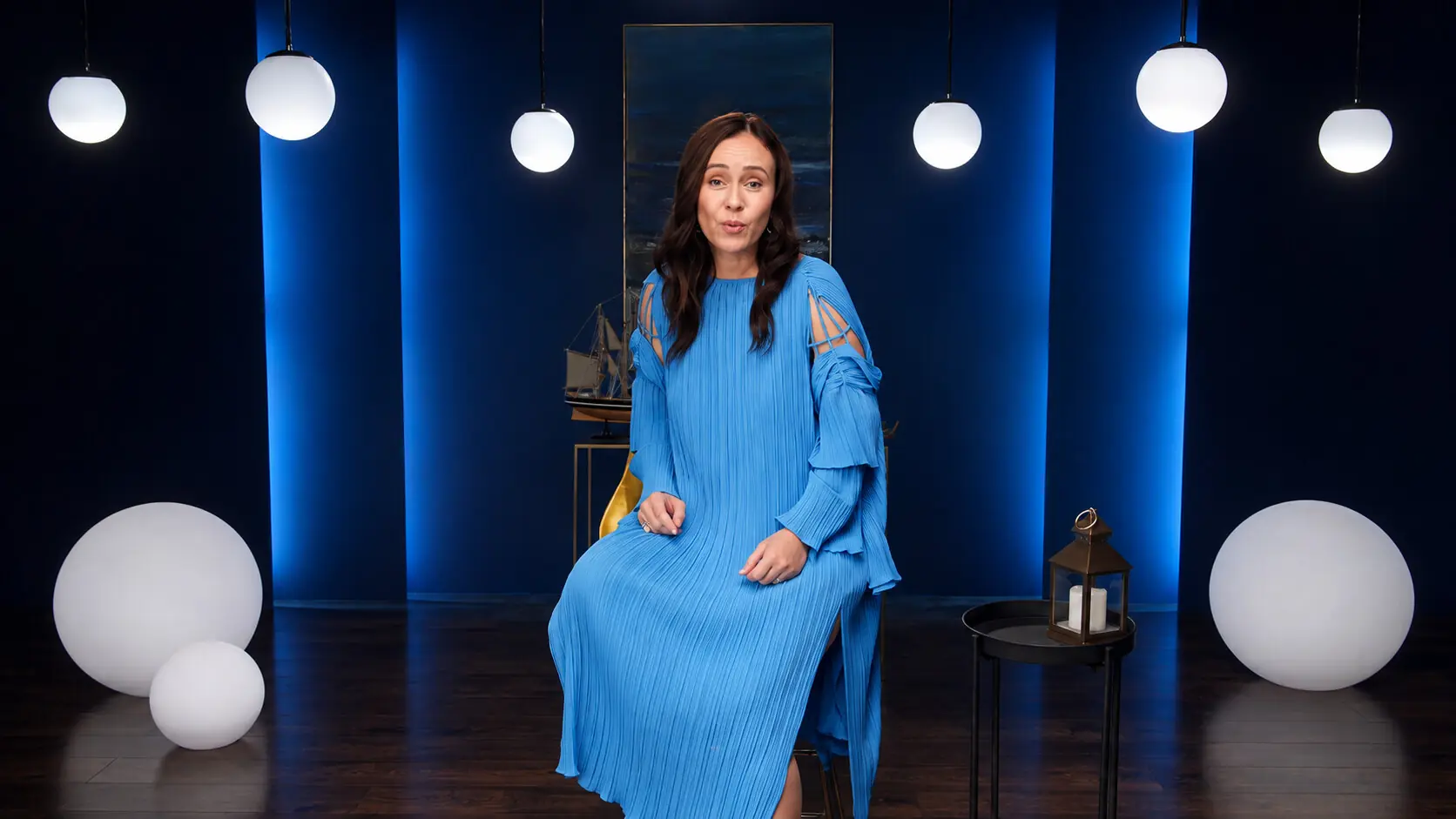
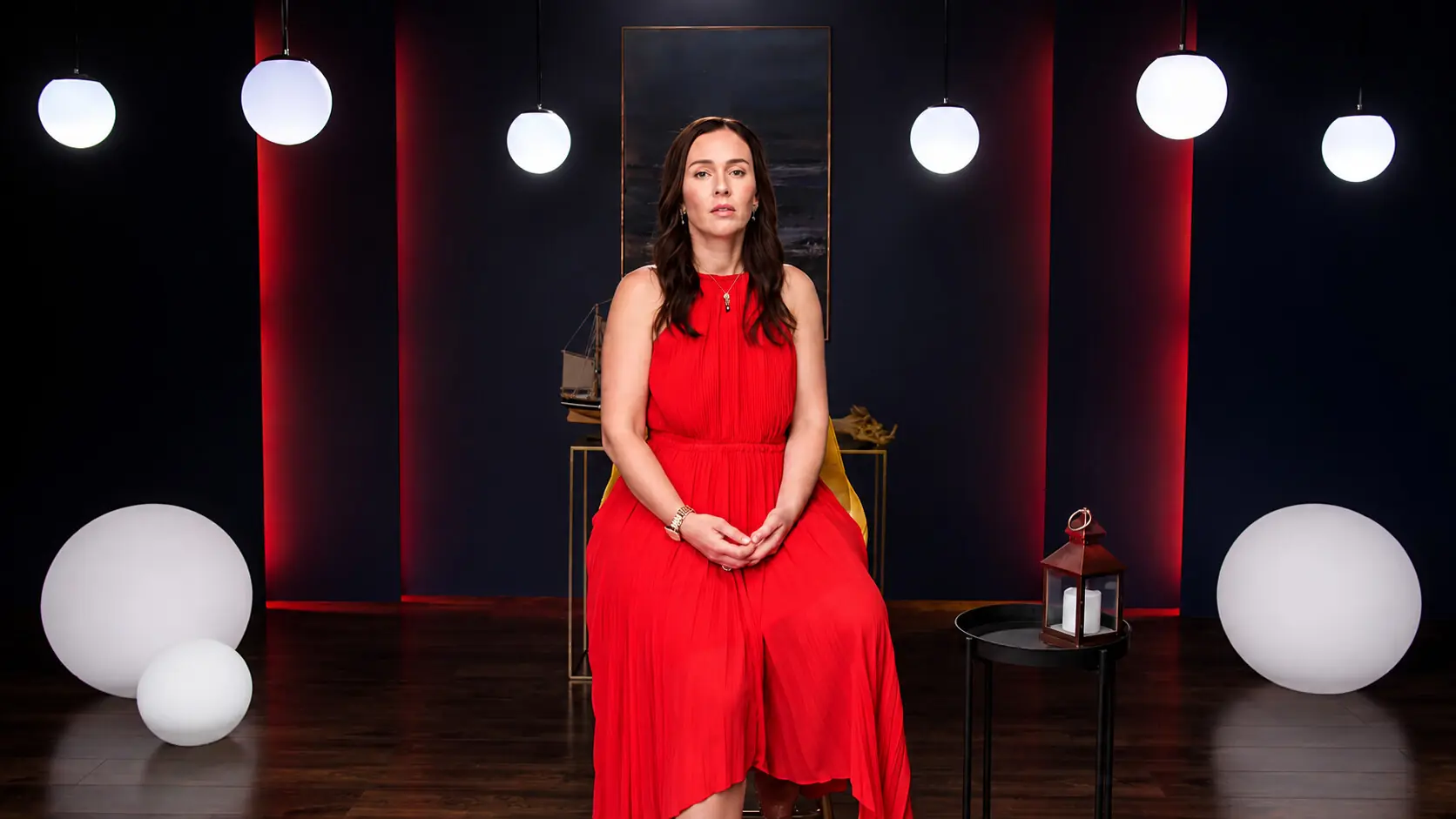
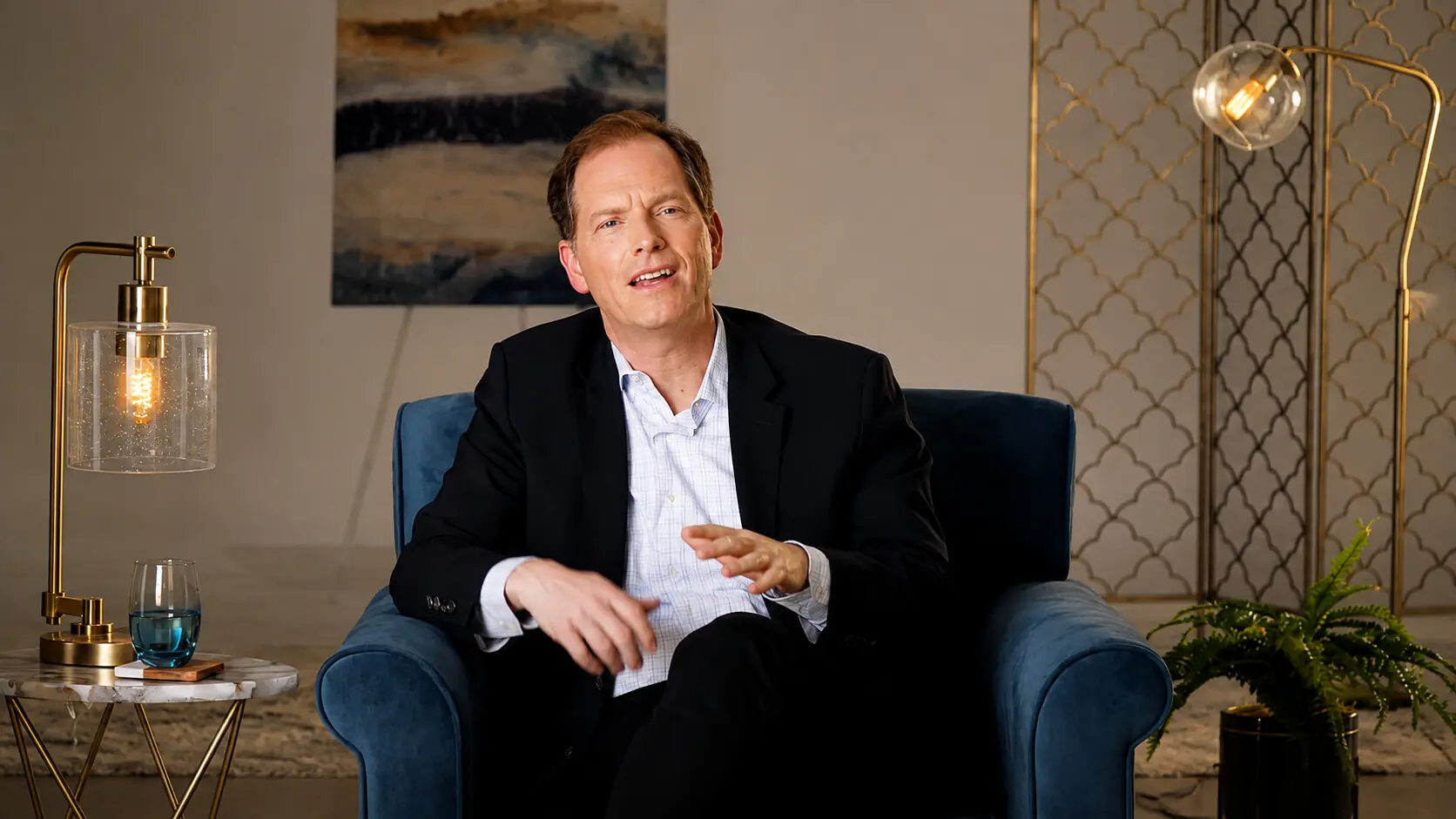
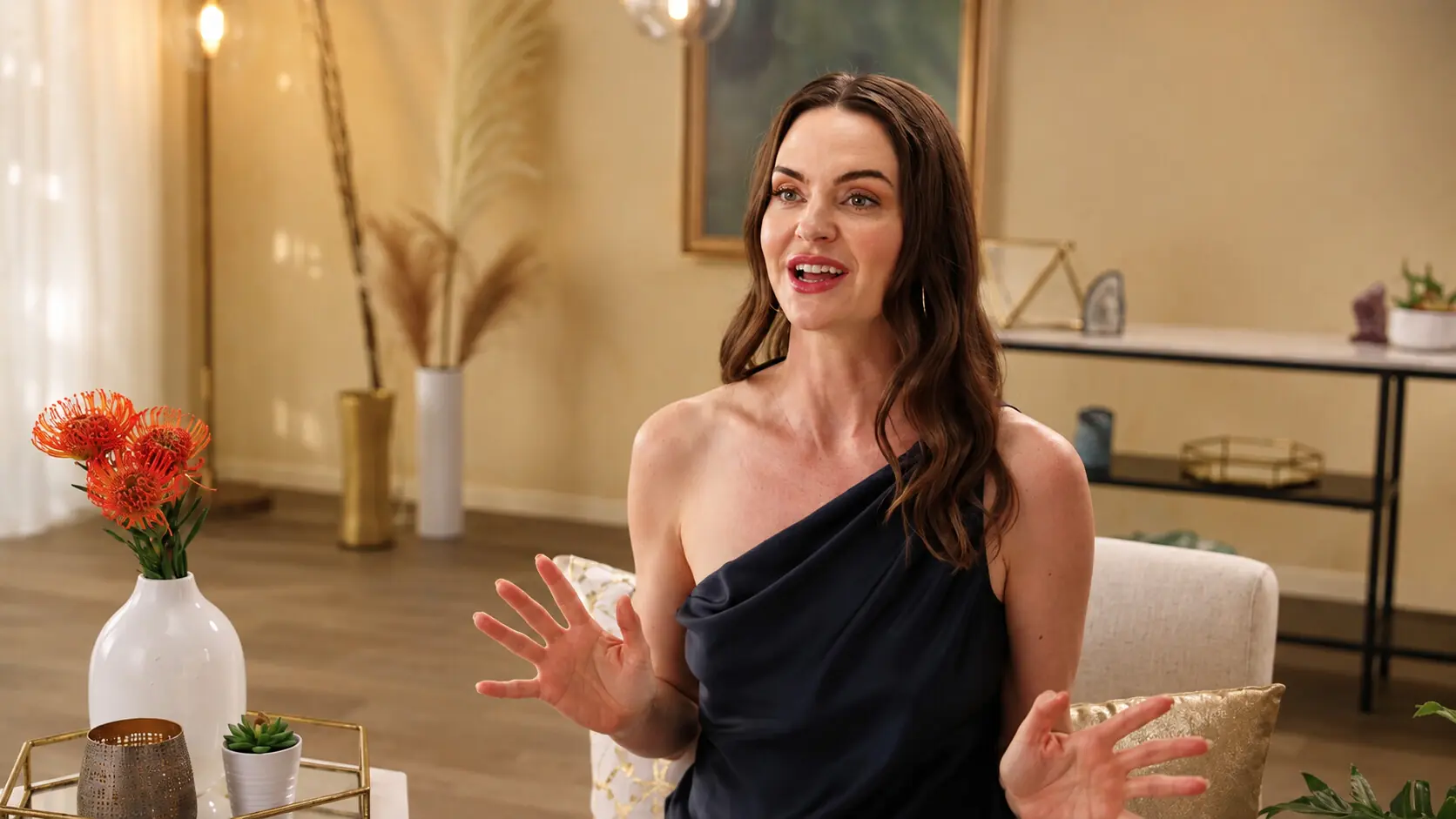
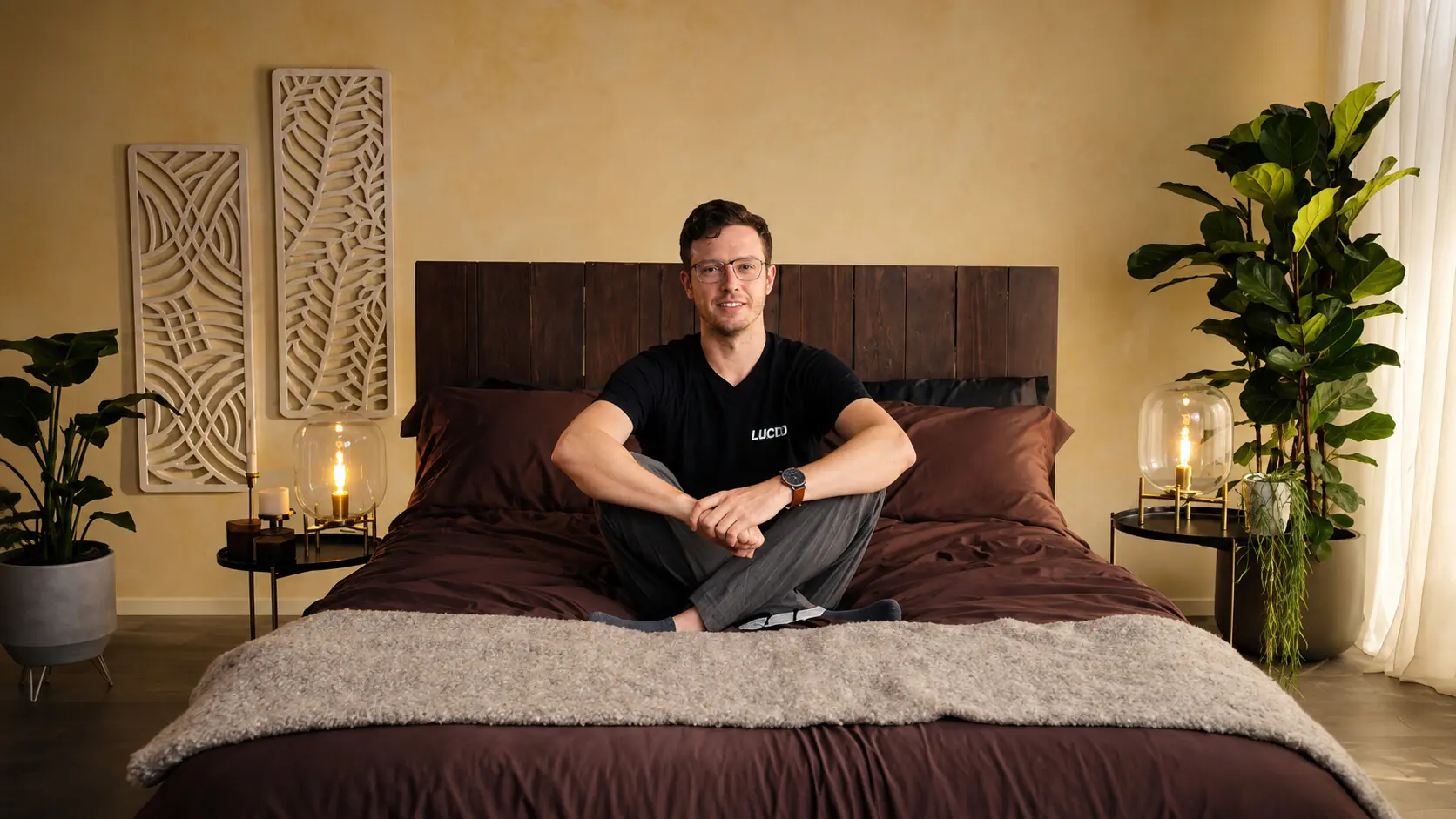
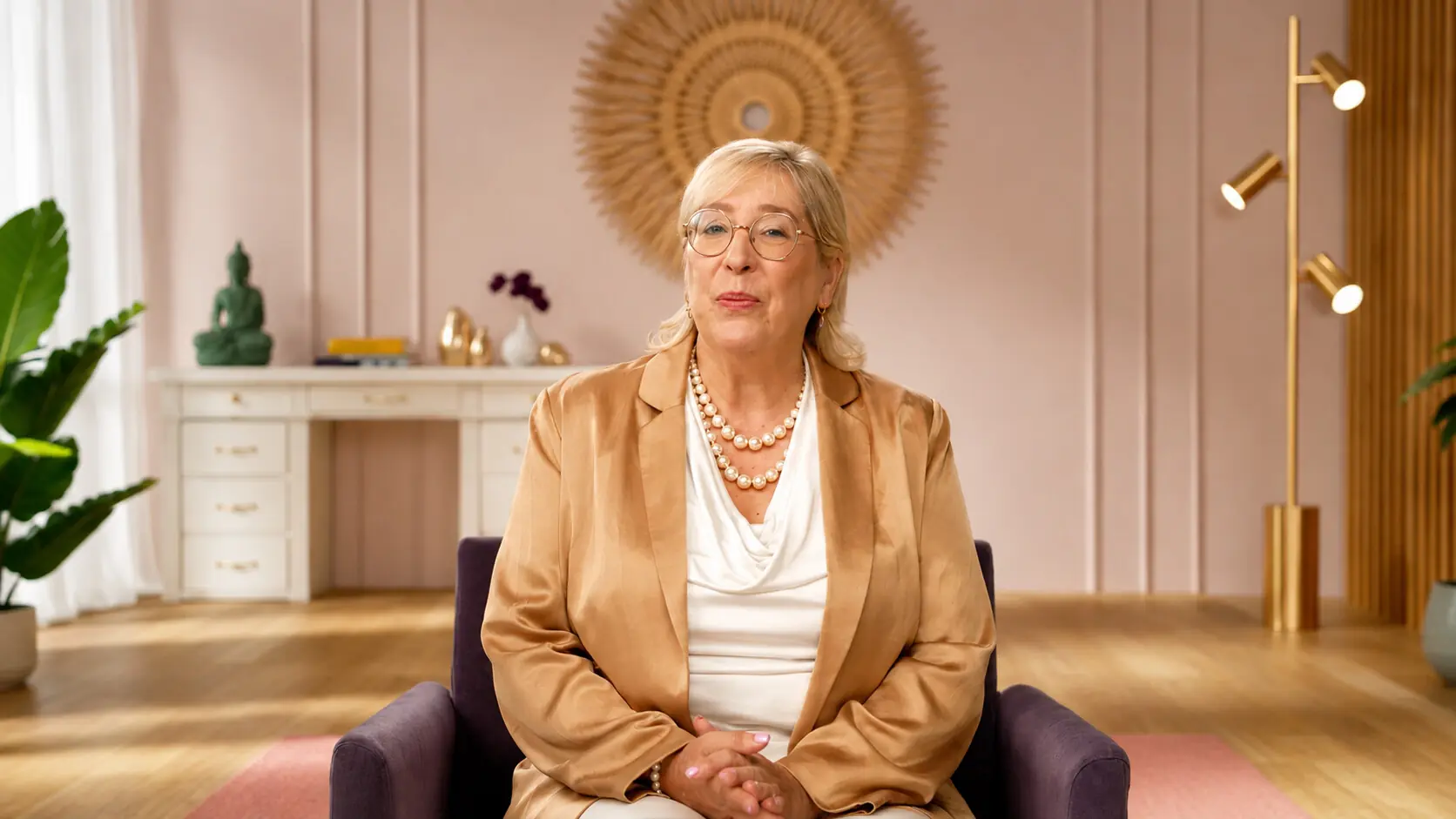
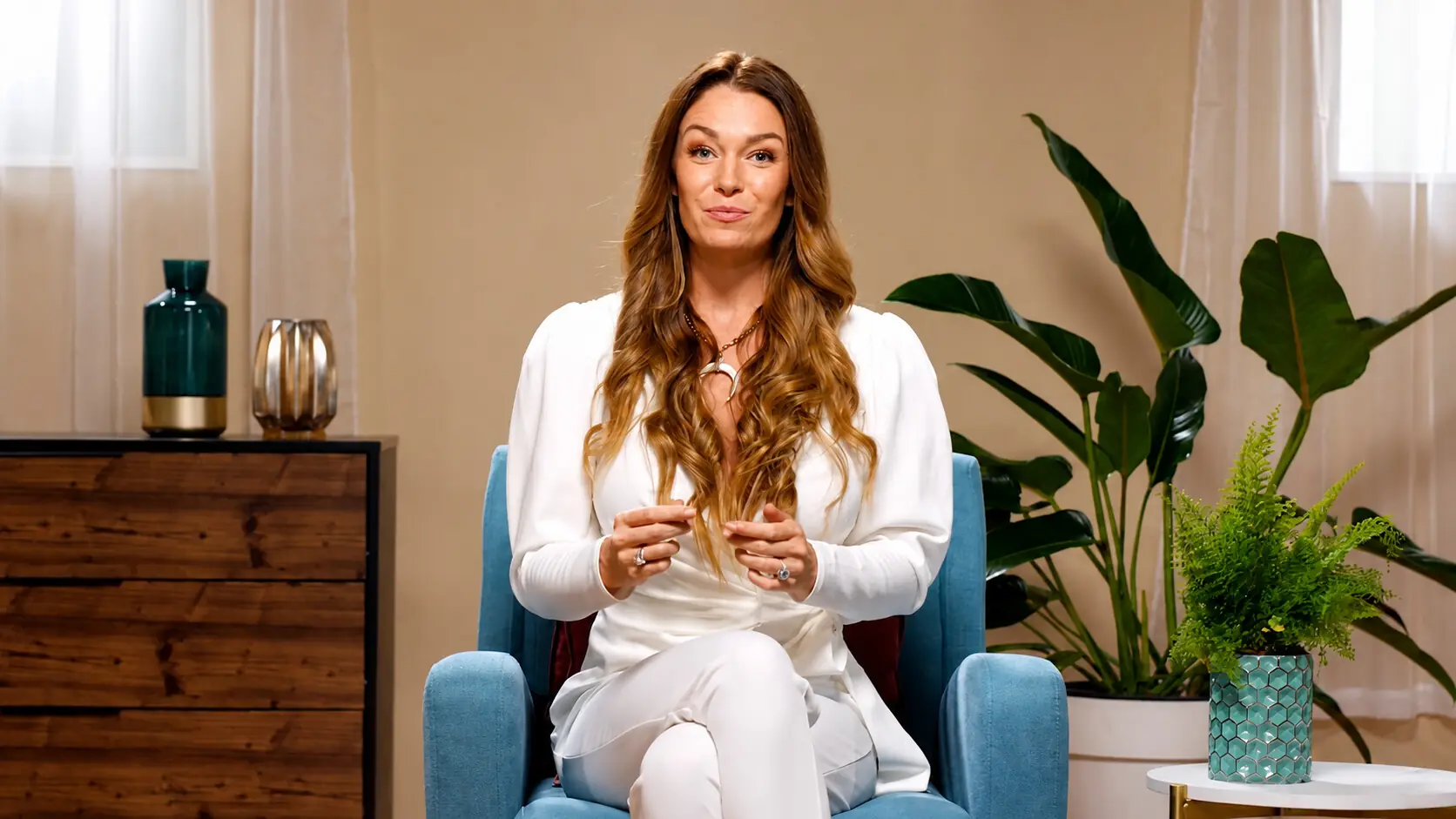
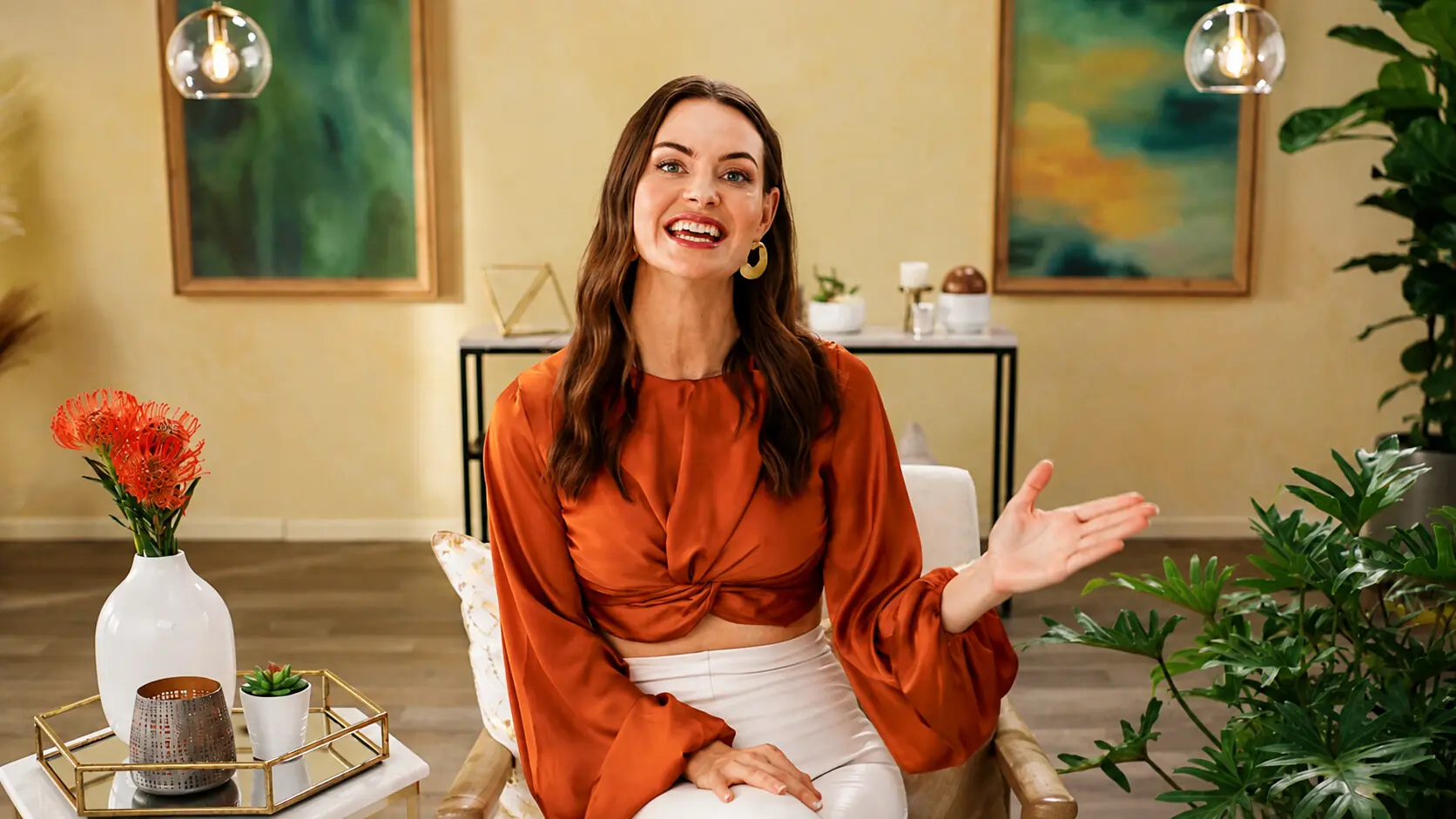
I art directed and designed the environments used to film more than 20 Mindvalley Quest programmes, creating distinct visual worlds for each teacher, subject and story.

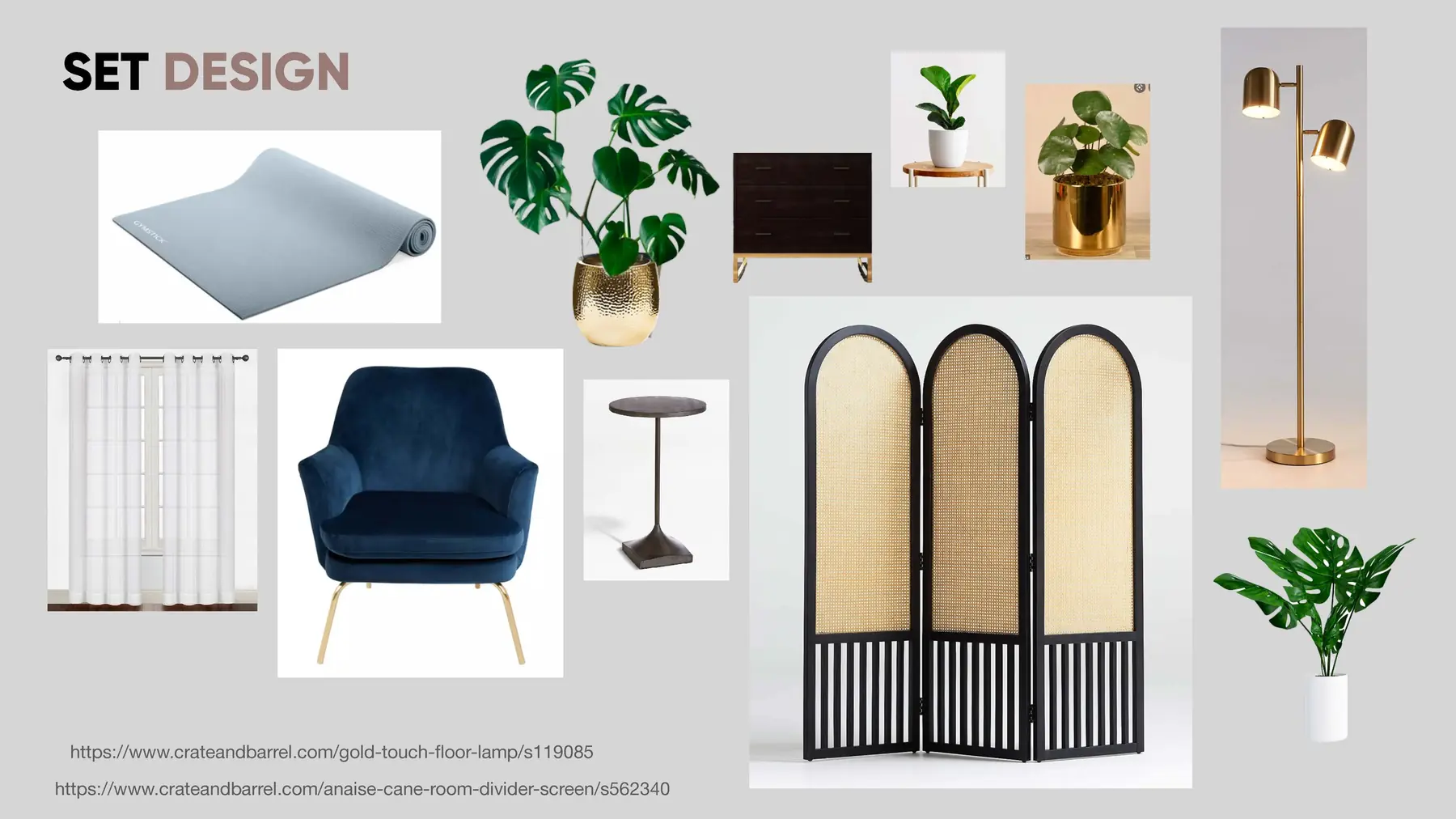
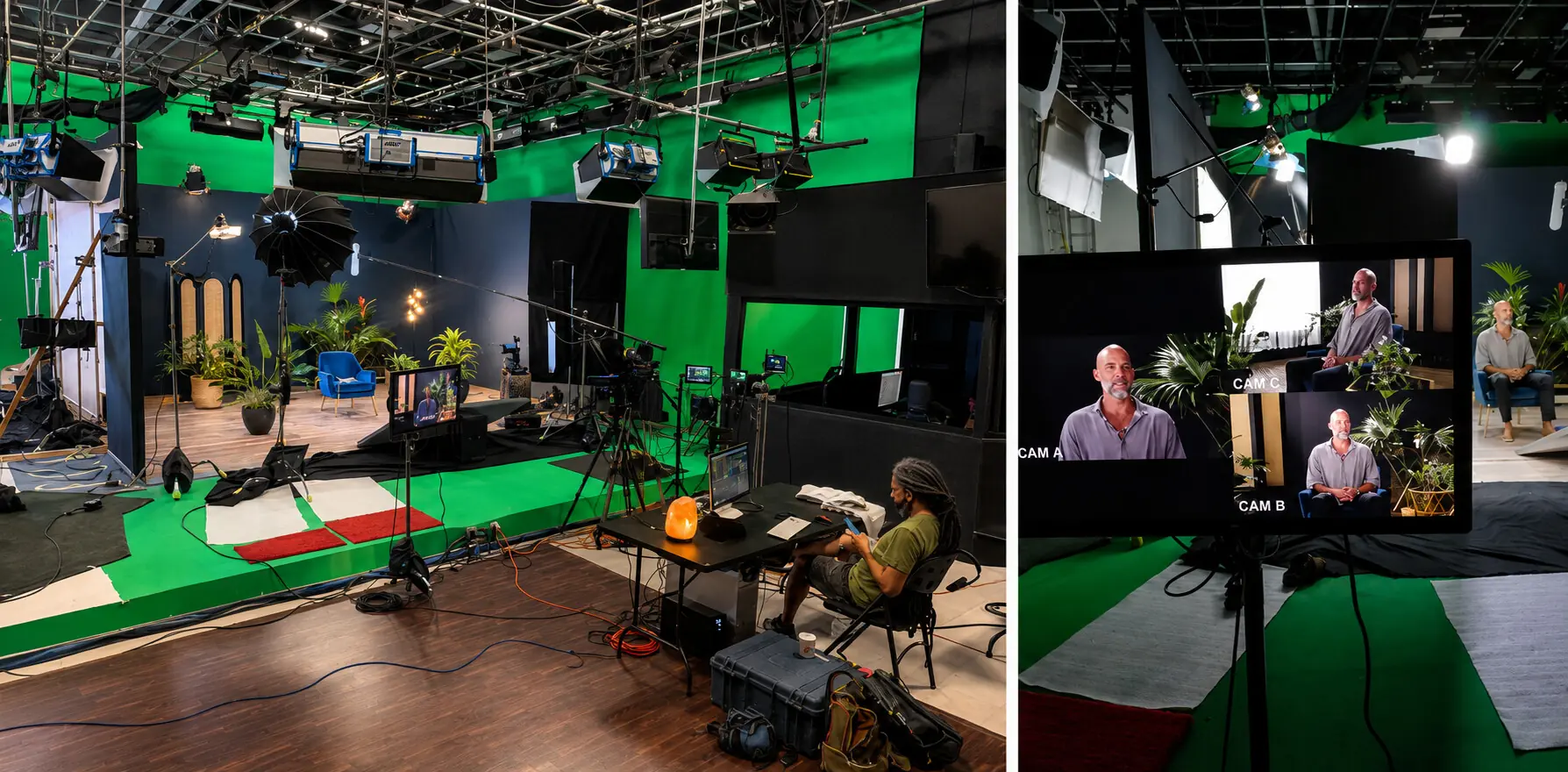
The work spanned everything from film studios to rented homes, Airbnbs and the outdoors. Each environment came with its own character and its own set of practical constraints. Rather than applying one visual formula across every production, I developed the look and feel of each set around the programme it belonged to. I created mood boards and spatial concepts, planned compositions, sourced furniture and props, and worked with production teams to turn those ideas into camera-ready environments.

The result was a collection of sets that gave each Quest its own visual identity while still feeling connected to the wider Mindvalley brand.

Impact
20+

Quest sets designed

20+

Programmes brought to life

9

Filming locations worldwide
Creating environments with a point of view

Every Quest had a different story to tell.

Some programmes called for spaces that felt warm, intimate and personal. Others needed something more energetic, contemporary or aspirational. The environment became another way to communicate the personality of the teacher and establish the tone before they even began speaking. They also had different needs, for instance some needed just a space to sit and speak, whilst others needed area to do practical lessons, like yoga or exercise.

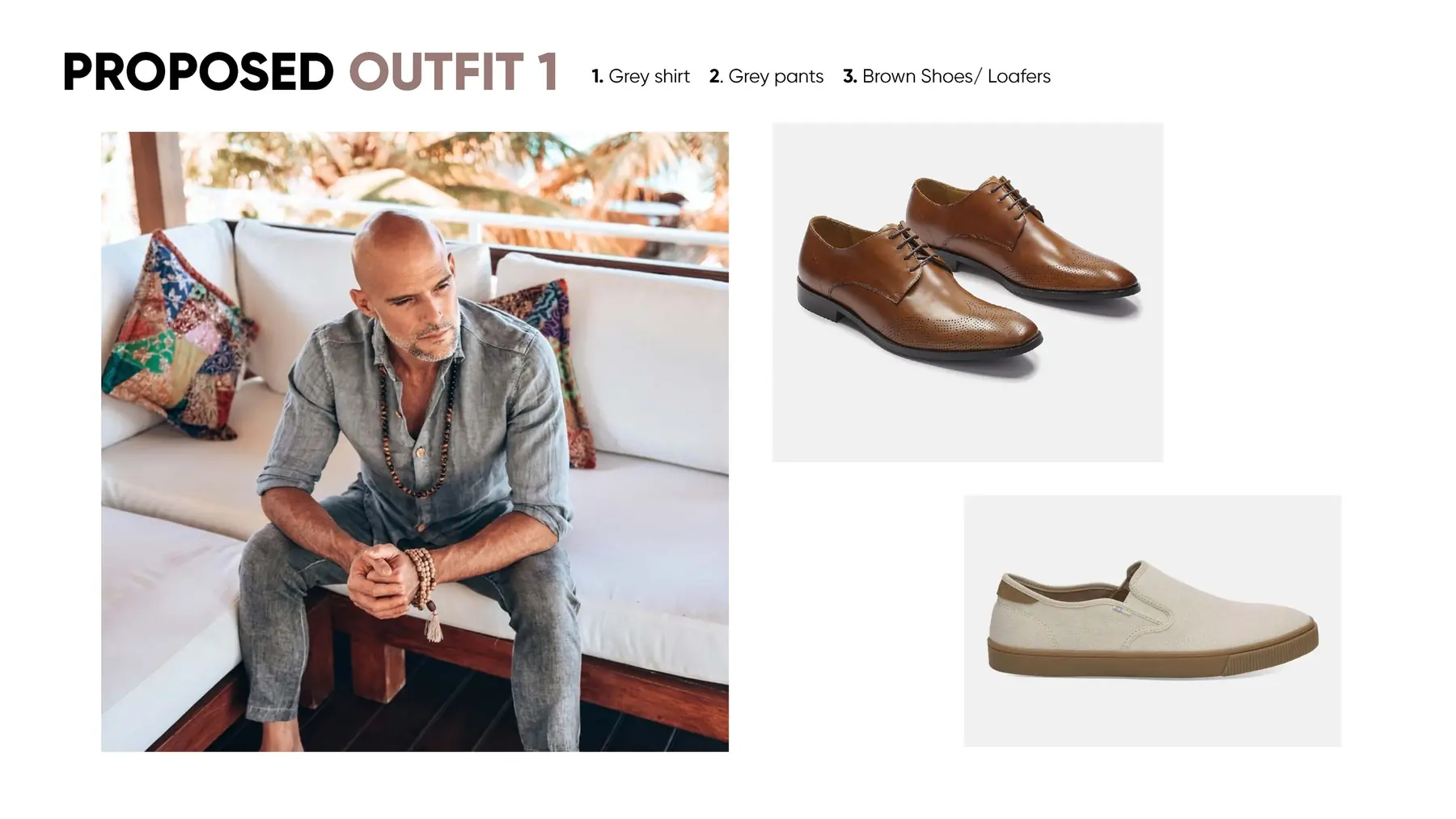
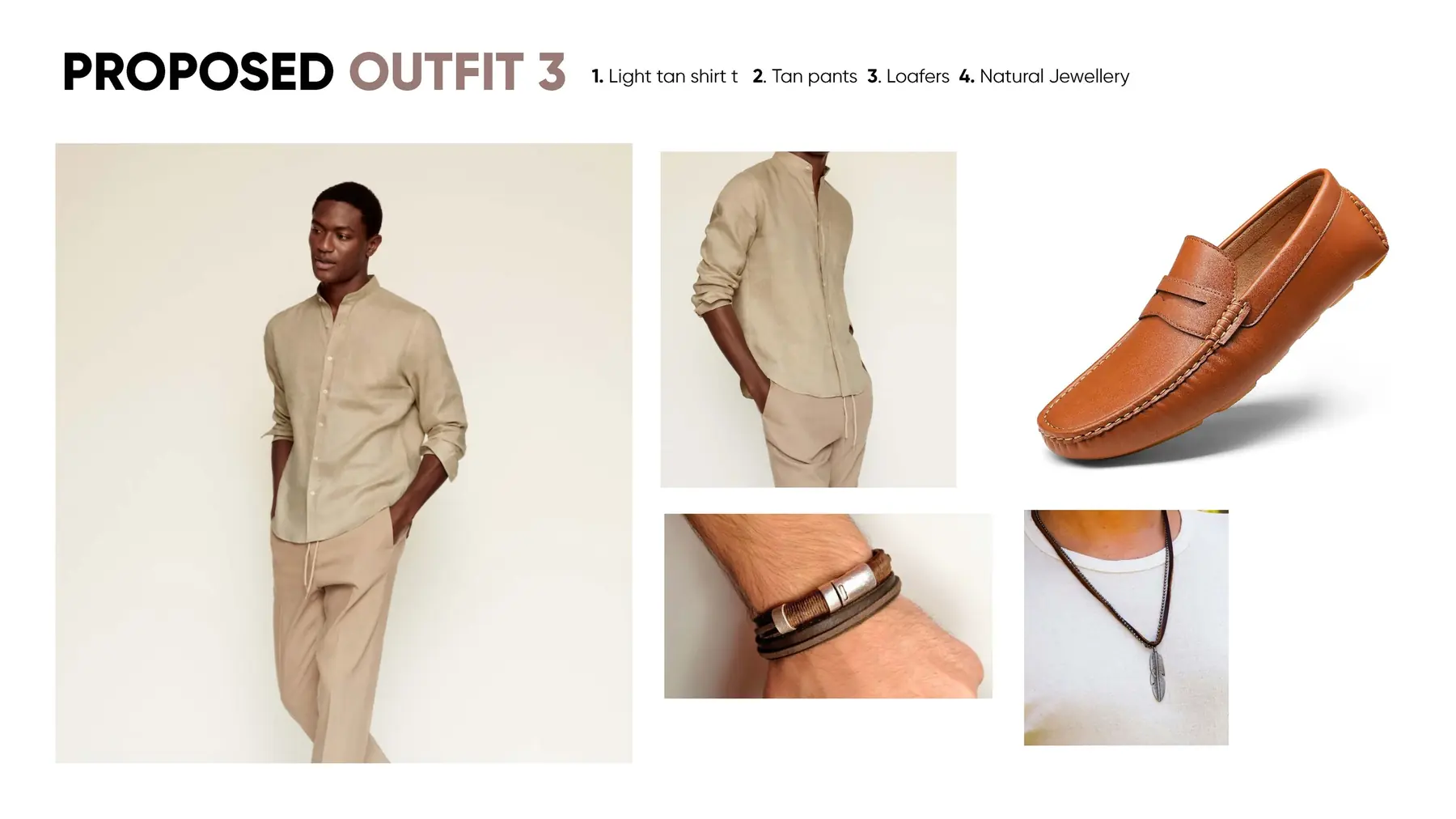
I developed the visual direction around the subject matter, the teacher and the intended experience of the programme. Colour palettes, furniture, artwork, objects, textures and styling were all considered as part of one visual system rather than as individual decorative choices.

From mood board to filmed set

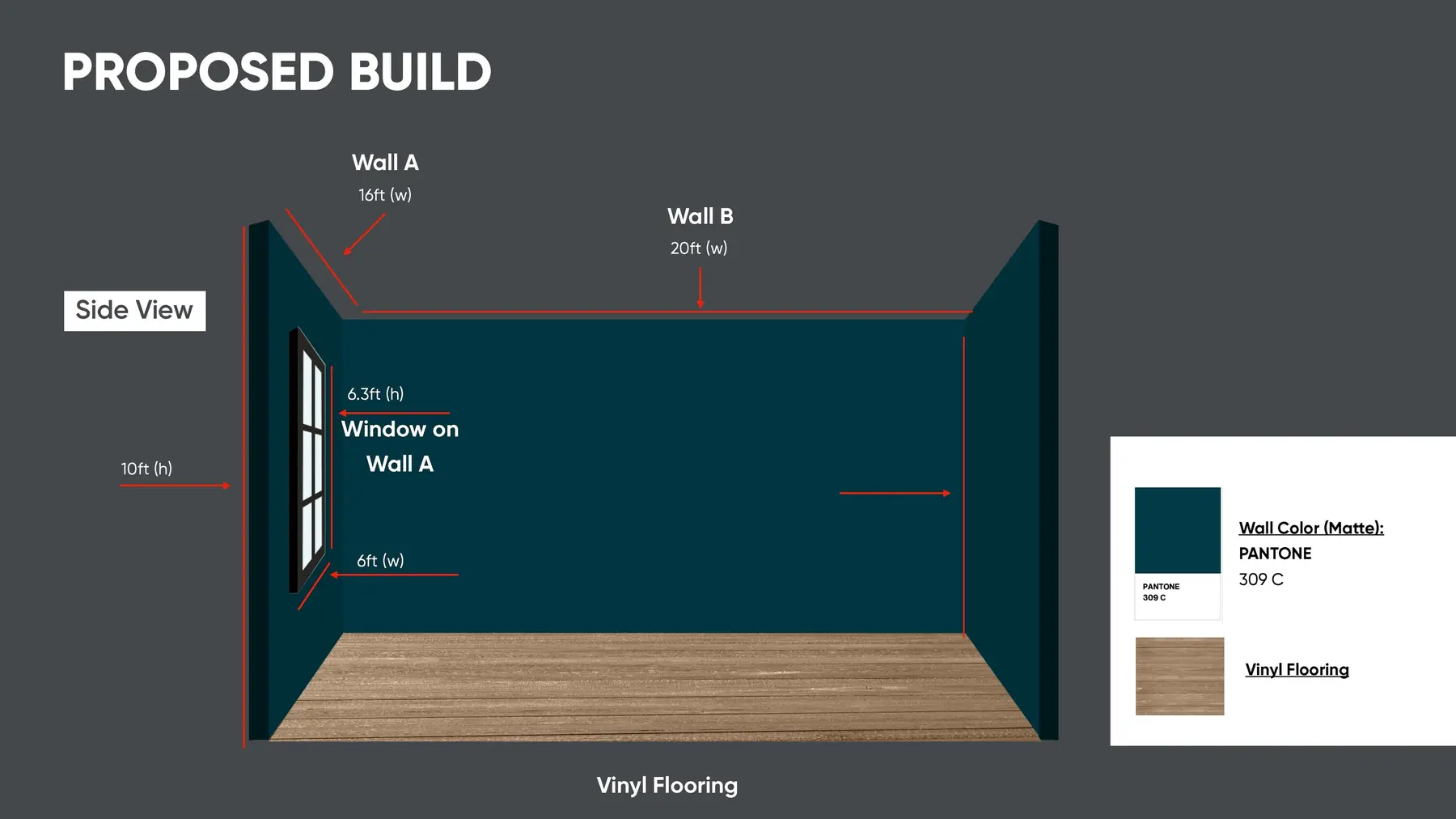
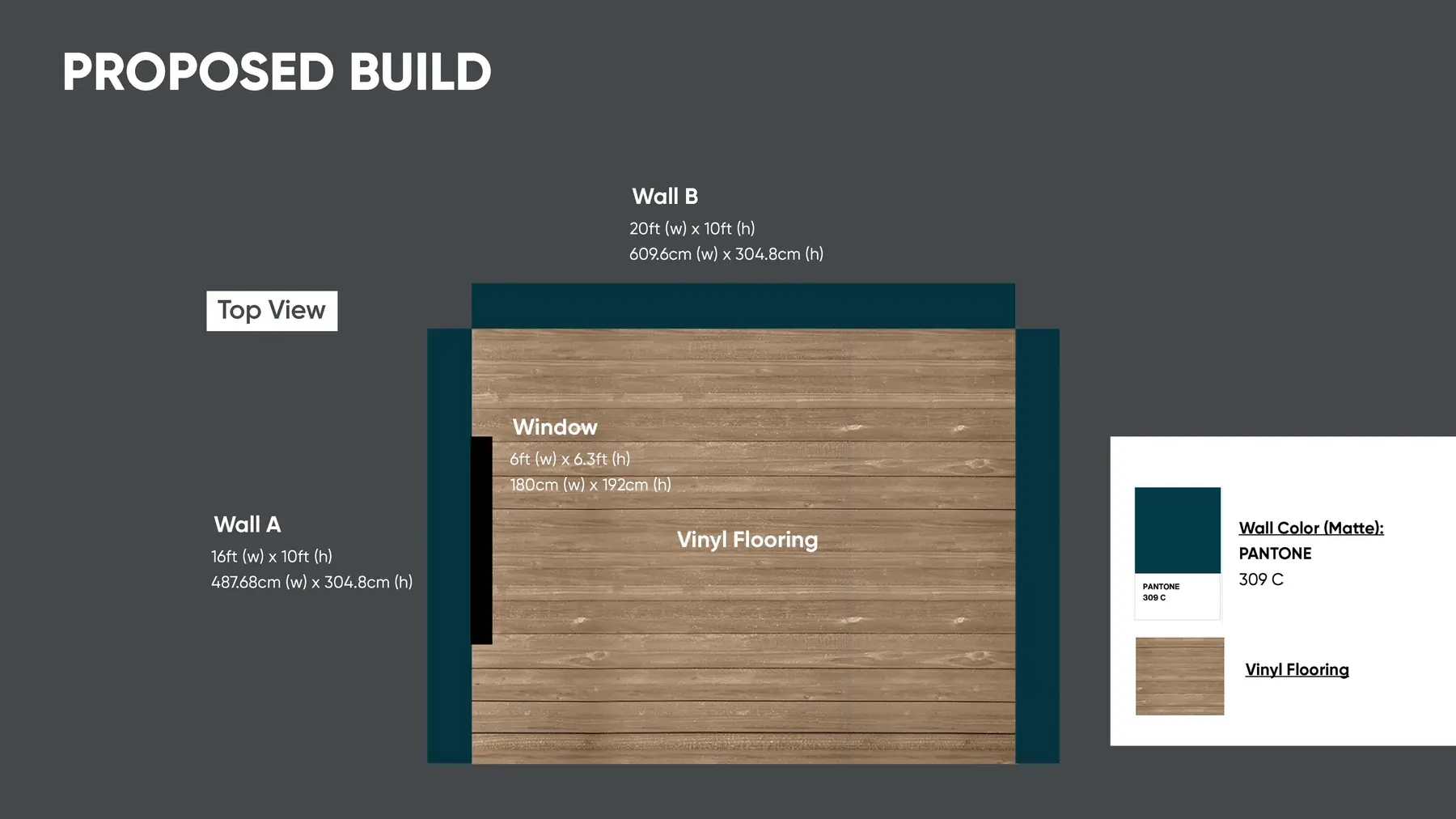
The process began with establishing the visual world for each programme. I created mood boards and references to define the overall direction, then translated those ideas into practical set concepts and spatial plans. From there, I worked through the details that would bring the environment together, sourcing furniture, artwork, decorative objects and props, planning the arrangement of the space and refining the styling ahead of filming.

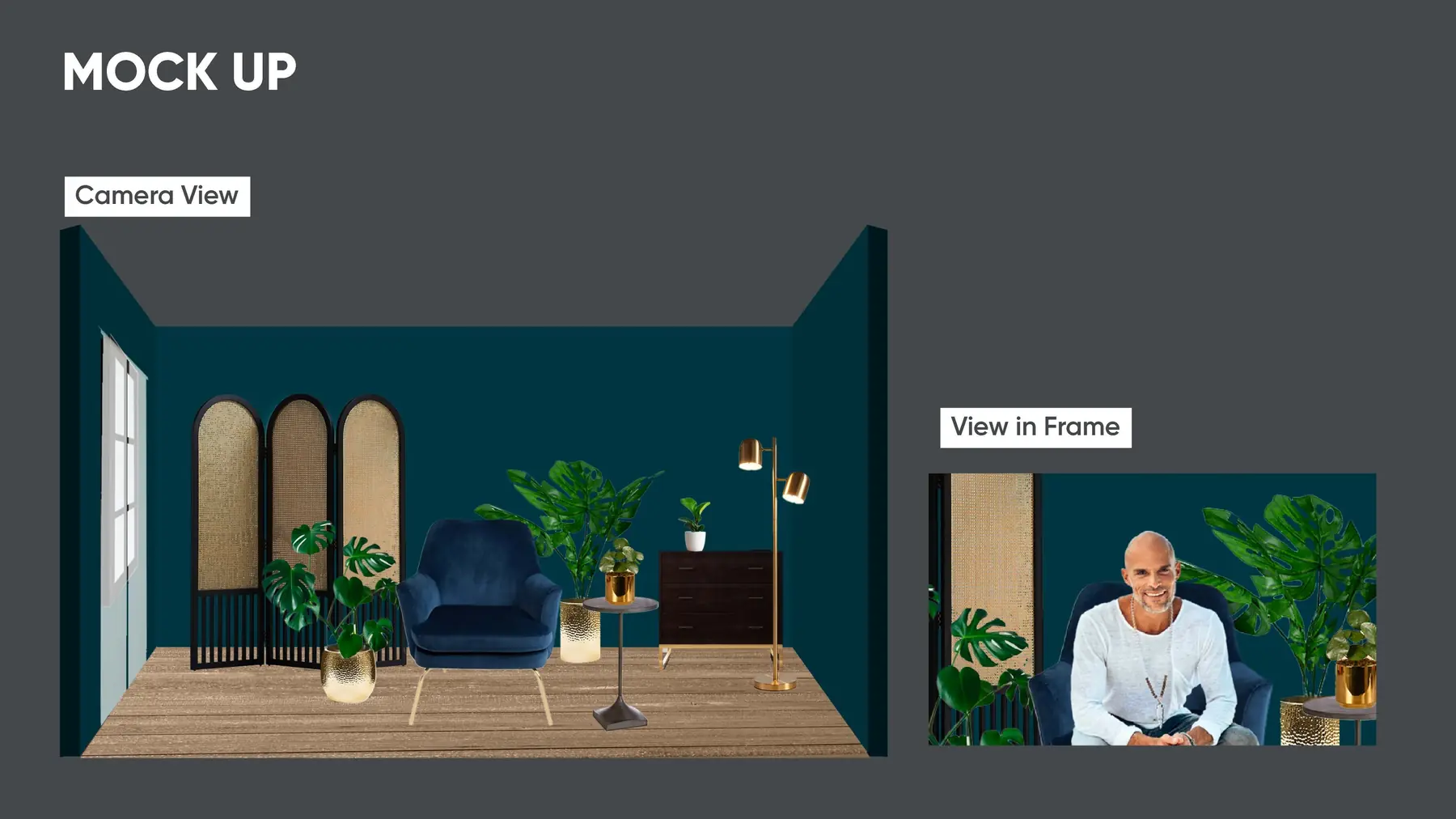
I worked closely with production teams throughout the process, balancing the creative direction with the practical requirements of filming. A piece of furniture might need to move to accommodate a camera. A wall might need to be simplified because it created visual noise. A room that looked great in person might need to be completely reconfigured once viewed through the lens.

The set therefore evolved through both creative and practical decisions, with the final environment shaped around how it would actually be seen on screen.

Designing for the camera

Set design for filmed content is different from designing a space purely for real life.

The environment only exists from the perspective of the camera, so every element has to work within a carefully considered frame. Furniture placement, background detail, depth, colour, lighting and negative space all influence how the teacher and the subject are perceived.

I considered how each set would read in wide shots, medium shots and close-ups, making sure the environment added depth and personality without competing with the person at its centre.

Props and objects were selected not just because they looked good, but because they helped establish context, create visual rhythm and make the environment feel lived-in without becoming distracting.

The camera ultimately became the final filter for every creative decision.